

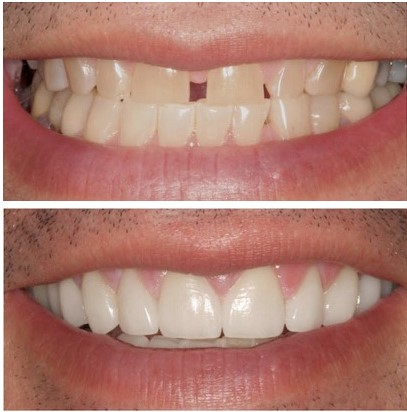
Dental crowns are tooth-shaped restorations used to restore and protect damaged or weakened teeth. A well-maintained dental crown can last for many years, but the tooth and gums surrounding the crown still require proper daily care.
Whether you have one dental crown or several, these simple tips can help protect your crown and maintain your oral health.
Avoid Very Sticky and Hard Foods
Dental crowns are designed to withstand normal biting and chewing forces, but they are not indestructible. Very hard foods, such as ice and hard candies, can potentially chip or damage a crown. Sticky foods may also place unnecessary stress on a crown.
You do not necessarily have to avoid these foods completely, but use caution—especially when chewing on the tooth with the crown.
Brush and Floss Regularly
A crown cannot develop a cavity, but the natural tooth underneath and around the edge of the crown still can.
Brush twice a day with fluoride toothpaste and clean between your teeth daily. Pay particular attention to the area where the crown meets the gumline, where plaque can accumulate.
Good oral hygiene helps protect both the crown and the natural tooth supporting it.
Consider Mouthwash
Mouthwash can be a helpful addition to brushing and flossing for some patients. Depending on your individual needs, your dentist may recommend a fluoride or therapeutic mouthwash to help reduce the risk of tooth decay, plaque, or gum disease.
Remember that mouthwash should complement—not replace—regular brushing and cleaning between your teeth.
Avoid Habits That Can Damage Your Crown
Using your teeth to bite your nails, chew on pens or pencils, open packages, or bite other hard objects can damage both natural teeth and dental crowns.
Breaking these habits can help protect your crown from unnecessary wear, chips, and fractures.
Protect Your Crown From Grinding and Clenching
Grinding or clenching your teeth, also known as bruxism, can place significant pressure on crowns and natural teeth.
If you grind or clench your teeth at night, your dentist may recommend a custom night guard to help protect your teeth and dental restorations.
If you participate in contact sports or other activities that could result in an injury to your mouth, wearing an appropriate mouthguard can also help protect your teeth and crowns.
See Your Dentist Regularly
Regular dental examinations and professional cleanings are important even when your crown feels completely normal.
During your dental visits, your dentist can examine the crown, surrounding gums, and supporting tooth for signs of decay, wear, cracks, looseness, or other problems. Finding problems early can sometimes prevent the need for more extensive treatment.
Dental Crowns in Cinnaminson, NJ
At Rapha Dental, we provide dental crowns designed to restore the appearance and function of damaged teeth.
If you have a crown that feels loose, uncomfortable, or sensitive—or you think you may need a dental crown—contact Rapha Dental in Cinnaminson, New Jersey, to schedule an appointment.