

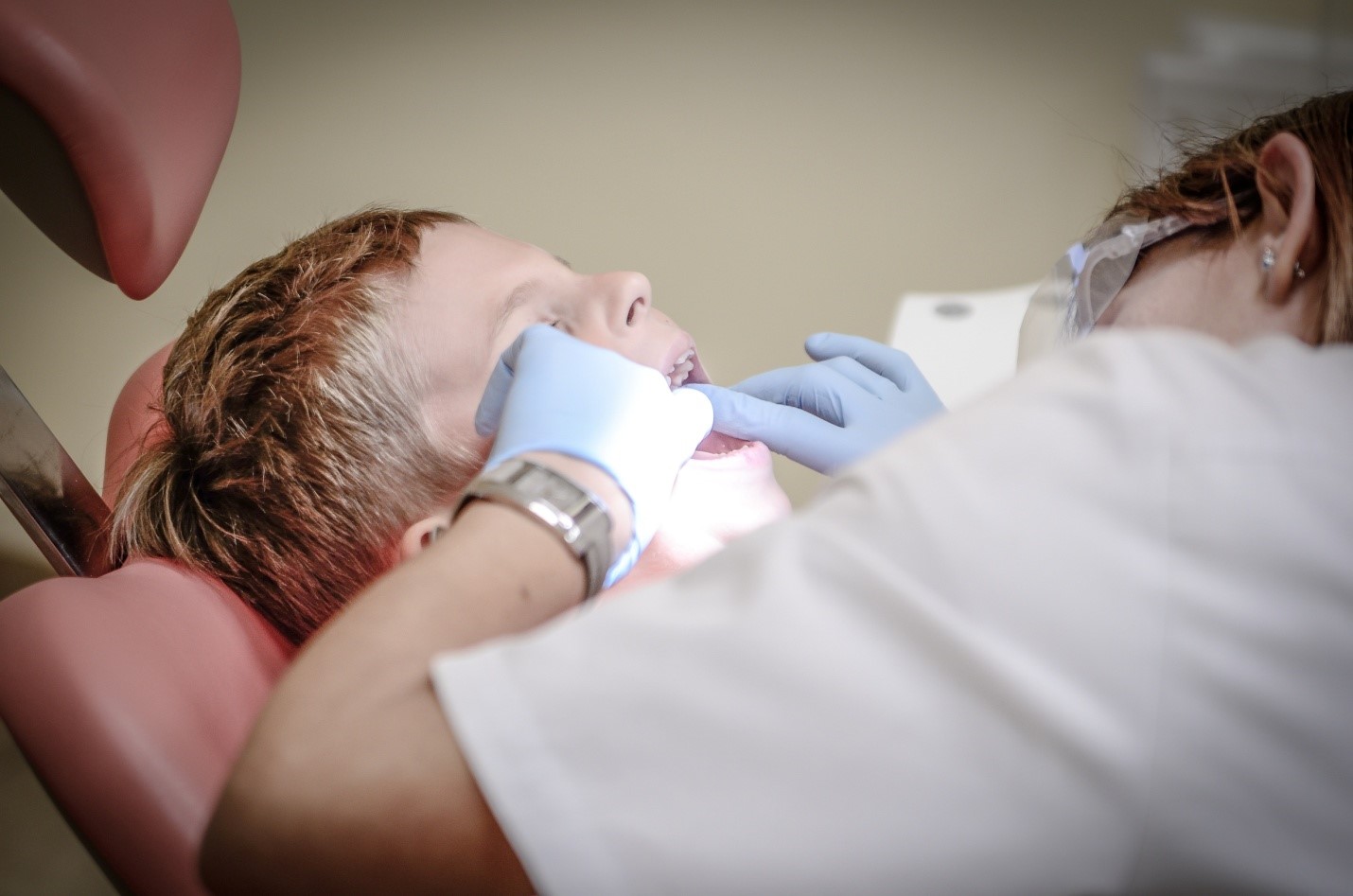
Hearing that you may need a root canal can sound intimidating, but modern root canal treatment is a common dental procedure designed to relieve pain, treat infection, and help save your natural tooth.
According to the American Association of Endodontists, millions of root canal treatments are performed each year. With modern techniques and local anesthesia, treatment is typically much more comfortable than many patients expect.
At Rapha Dental, we provide root canal treatment to help patients relieve tooth pain and preserve teeth whenever possible.
What Is a Root Canal?
Inside every tooth is a soft tissue called the pulp, which contains nerves and blood vessels. When the pulp becomes inflamed or infected because of deep decay, cracks, trauma, or other damage, root canal treatment may be necessary.
During a root canal, the infected or inflamed pulp is removed. The inside of the tooth is then carefully cleaned, disinfected, shaped, and sealed.
The goal is simple: eliminate the source of infection or inflammation while preserving the natural tooth.
How Do You Know If You Need a Root Canal?
Not every toothache means you need a root canal. However, certain symptoms may indicate that the pulp inside a tooth has become damaged or infected.
Common warning signs include:
- Persistent or severe tooth pain
- Pain when biting or chewing
- Lingering sensitivity to hot or cold
- Swelling or tenderness around a tooth
- A cracked or damaged tooth
- Darkening or discoloration of a tooth
- A pimple or recurring swelling on the gums
Some teeth that require root canal treatment may have few or no noticeable symptoms. A dental examination and X-rays can help determine the cause of the problem and whether root canal treatment is appropriate.
What Happens During Root Canal Treatment?
Root canal treatment is generally performed using local anesthesia to keep the area numb and comfortable.
A rubber dam is typically placed around the tooth to keep it isolated and clean during treatment. The dentist then creates a small opening in the tooth to access the pulp chamber and root canals.
The damaged or infected tissue is removed, and the canals are carefully cleaned, disinfected, and shaped. The canals are then filled and sealed to help prevent bacteria from re-entering the tooth.
Depending on the condition of the tooth, treatment may be completed in one or more visits.
Does a Root Canal Hurt?
One of the most common misconceptions about root canals is that the procedure itself is extremely painful.
Because local anesthesia is used, most patients experience little to no pain during treatment. In fact, root canal therapy is often performed to relieve the toothache caused by inflammation or infection.
Some tenderness or sensitivity after treatment is normal and usually improves over the following several days.
What Happens After a Root Canal?
Your mouth may remain numb for several hours after treatment. Avoid chewing until the numbness has worn off to reduce the risk of accidentally biting your cheek, lip, or tongue.
The treated tooth may also feel slightly tender for a short time.
In many cases, especially with back teeth, a crown may be recommended after root canal treatment. Because a tooth that has undergone root canal therapy can be more vulnerable to fracture, restoring it properly can help protect it and allow it to function normally.
What Are the Benefits of Root Canal Treatment?
The biggest advantage of root canal treatment is the opportunity to save your natural tooth.
Saving a tooth can help:
- Maintain normal chewing function
- Preserve your natural smile
- Prevent neighboring teeth from shifting
- Avoid the need to replace a missing tooth
- Maintain normal biting forces
When a tooth can be predictably saved, keeping the natural tooth is often preferable to extracting it and replacing it with an implant, bridge, or removable prosthesis.
Do You Think You May Need a Root Canal?
Tooth pain should not be ignored. Early diagnosis may provide more treatment options and can help prevent a dental problem from becoming more serious.
If you are experiencing persistent tooth pain, sensitivity, swelling, or discomfort when chewing, schedule an evaluation with Rapha Dental in Cinnaminson, New Jersey.
We can examine the tooth, take any necessary X-rays, and determine whether root canal treatment or another treatment option is appropriate for you.
Contact Rapha Dental today to schedule an appointment.