

Dental Implants Near Willingboro, NJ
Replace Missing Teeth with Dental Implants at Rapha Dental
Missing one or more teeth can affect your ability to chew comfortably, speak clearly, and smile with confidence. Fortunately, modern dentistry offers several options for replacing missing teeth, including dental implants.
If you’re searching for dental implants near Willingboro, NJ, Rapha Dental provides dental implant consultations, implant placement, and implant-supported restorations at our office in nearby Cinnaminson.
Dr. Mark Huh evaluates each patient’s oral health, jawbone condition, and treatment goals to determine whether dental implants are an appropriate option.
Whether you’ve recently lost a tooth or have been living with missing teeth for years, our team can help you explore your tooth replacement options.
What Are Dental Implants?
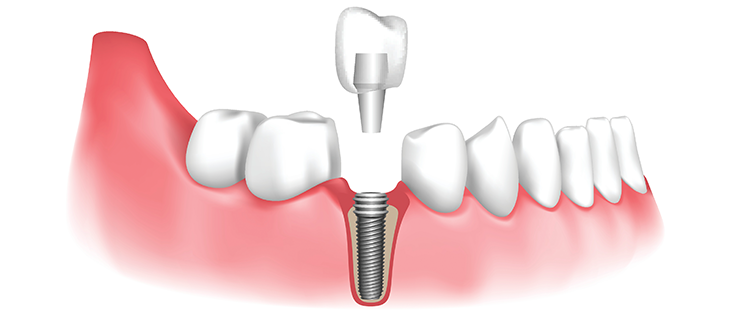
A dental implant is a small, biocompatible post, typically made of titanium, that is surgically placed into the jawbone to support a replacement tooth or dental prosthesis.
A traditional single-tooth implant restoration consists of three components:
- Implant post: The portion placed into the jawbone that serves as an artificial tooth root.
- Abutment: A connecting component between the implant and the restoration.
- Dental crown: The visible replacement tooth designed to restore appearance and chewing function.
Over time, the implant may integrate with the surrounding bone through a biological process called osseointegration.
Once the implant has achieved sufficient stability, it can support a custom-made dental restoration.
Dental implants may be used to replace a single missing tooth, multiple teeth, or to help support certain types of dentures.
Benefits of Dental Implants
Natural-Looking Tooth Replacement
Implant-supported crowns are designed to resemble natural teeth in shape, size, and color.
This allows patients to replace missing teeth without relying solely on removable appliances.
Improved Chewing Function
Missing teeth can make chewing certain foods more difficult.
A properly restored dental implant may help improve chewing efficiency and comfort, although the outcome depends on the condition of the surrounding teeth, bone, and bite.
Preservation of Adjacent Teeth
A traditional dental bridge often requires preparation of neighboring teeth to support the restoration.
A single dental implant can replace a missing tooth without necessarily requiring those adjacent teeth to be reduced.
Support for Jawbone Health
Following tooth loss, the surrounding jawbone may gradually shrink because it no longer receives normal stimulation from the tooth.
Dental implants can help preserve bone in the area where they are placed, although they do not completely prevent future bone changes.
Long-Term Tooth Replacement
With proper treatment planning and maintenance, dental implants can function successfully for many years.
However, implants are not guaranteed to last a lifetime. Complications such as peri-implant inflammation, bone loss, mechanical damage, or implant failure can occur.
What Is the Dental Implant Procedure?
Dental implant treatment typically involves several stages.
1. Dental Implant Consultation
Your treatment begins with a comprehensive dental examination.
Dr. Huh evaluates your remaining teeth, gums, bite, and medical history.
Dental imaging, including three-dimensional CBCT imaging when appropriate, may be used to assess bone availability and nearby anatomical structures.
The examination helps determine whether implant treatment is suitable and whether additional procedures may be necessary.
2. Treatment Planning
Every patient’s anatomy and restorative needs are different.
The number, size, and location of implants are selected based on factors such as bone quality, available space, and the planned final restoration.
Some patients may require bone grafting or other preparatory treatment before implant placement.
3. Dental Implant Placement
During implant surgery, the area is numbed with local anesthesia.
The implant is carefully positioned in the jawbone according to the treatment plan.
Depending on the clinical situation, a healing abutment or temporary restoration may be placed.
4. Healing and Osseointegration
After surgery, the implant requires time to integrate with the surrounding bone.
Healing commonly takes several months, although the timeline varies depending on the patient and the treatment site.
During this period, temporary tooth replacement options may be considered when appropriate.
5. Implant Crown Placement
Once the implant is ready for restoration, an impression or digital scan is taken to fabricate the replacement tooth.
A custom implant crown is then attached to the implant through an appropriate abutment or restorative connection.
Dr. Huh evaluates the final restoration’s fit, appearance, and bite.
Am I a Candidate for Dental Implants?
Many adults with missing teeth may be candidates for dental implant treatment.
However, successful implant placement depends on several factors, including:
- Adequate jawbone volume and quality
- Healthy surrounding gum tissues
- Overall medical health
- Smoking and tobacco use
- History of periodontal disease
- Oral hygiene and maintenance habits
- Bite forces and teeth grinding
Patients with insufficient bone may still have treatment options, including bone grafting in selected cases.
A consultation is necessary to determine whether implants are appropriate for your individual situation.
Dental Implants vs. Dental Bridges
Both dental implants and bridges can replace missing teeth, but they function differently.
Dental implants are supported by posts placed into the jawbone and may allow a missing tooth to be replaced independently of neighboring teeth.
Dental bridges generally rely on adjacent teeth or other supporting structures to hold a replacement tooth in position.
A bridge may be appropriate when implant surgery is not preferred or when the neighboring teeth already require crowns.
The best option depends on your oral health, treatment goals, available bone, and budget.
Dental Implants vs. Dentures
Traditional removable dentures rest on the gums and may require periodic adjustments as the jawbone changes.
Dental implants can sometimes be used to improve denture retention and stability.
For patients missing multiple teeth, implant-supported restorations may offer an alternative to conventional removable dentures.
The number of implants and type of restoration depend on the patient’s anatomy and treatment needs.
How Do You Care for Dental Implants?
Dental implants require ongoing maintenance, just like natural teeth.
To help maintain healthy tissues around your implants:
- Brush twice daily with a soft-bristled toothbrush.
- Clean around implant restorations using floss or other recommended interdental cleaning tools.
- Attend regular dental examinations and professional cleanings.
- Avoid smoking and tobacco products.
- Report persistent bleeding, swelling, discomfort, or looseness around an implant.
- Wear a night guard if recommended for excessive grinding or clenching.
Although implants cannot develop cavities, the surrounding gum and bone tissues can develop inflammatory conditions, including peri-implantitis.
Regular professional monitoring is important for long-term implant health.
How Much Do Dental Implants Cost Near Willingboro?
The cost of dental implant treatment varies depending on the complexity of the case.
Factors that may affect the total cost include:
- Number of implants needed
- Bone grafting requirements
- Tooth extractions
- Implant components
- Type of final restoration
- Additional diagnostic or surgical procedures
A single-tooth implant replacement generally involves both a surgical component and a restorative component.
During your consultation, our team can explain the recommended treatment and provide an estimate based on your individual needs.
Dental insurance coverage varies by plan.
Why Choose Rapha Dental for Dental Implants Near Willingboro?
Rapha Dental offers comprehensive general, restorative, and implant dentistry at our Cinnaminson office.
Dr. Mark Huh is a graduate of the University of Pennsylvania School of Dental Medicine and provides individualized treatment planning for patients with missing or damaged teeth.
Our practice offers:
- Dental implant consultations
- Three-dimensional CBCT imaging
- Dental implant placement
- Implant-supported crowns
- Tooth extractions
- Restorative dental treatment
- Evening and Saturday appointments
We welcome patients from Willingboro, Delran, Maple Shade, Moorestown, Riverton, and surrounding Burlington County communities.
You can also learn more about the benefits of dental implants and other tooth replacement options.
Schedule a Dental Implant Consultation Near Willingboro, NJ
If you’re considering dental implants to replace one or more missing teeth, contact Rapha Dental to schedule a consultation.
Dr. Huh can evaluate your oral health, explain the implant process, and help determine which treatment options may be appropriate.
Rapha Dental
700 Route 130 N, Suite 204
Cinnaminson, NJ 08077
Phone: (856) 829-8668
Request a Dental Appointment Online
Take the next step toward restoring your smile with personalized dental implant care at Rapha Dental.v