

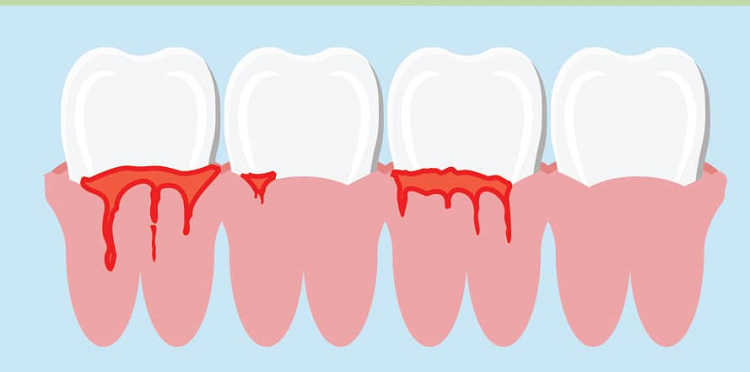
Noticing blood when brushing or flossing your teeth can be alarming. While occasional irritation may happen, persistent gum bleeding is often a sign that your gums need attention. In many cases, gum irritation may be related to plaque buildup, gingivitis, or early gum disease.
At Rapha Dental, we help patients understand the causes of unhealthy gums and how early treatment may help prevent more serious dental problems in the future.
Why Gums May Bleed
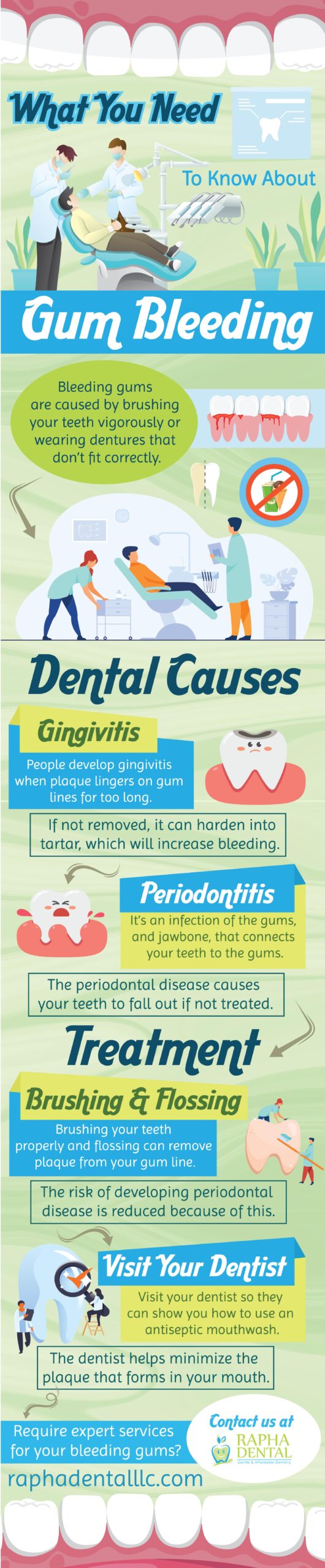
Gum bleeding can happen for several reasons. Some causes are temporary, while others may indicate underlying gum disease.
Common causes include:
- Plaque buildup along the gumline
- Gingivitis
- Periodontal disease
- Brushing too aggressively
- Inconsistent flossing habits
- Smoking or vaping
- Hormonal changes
- Certain medications
- Ill-fitting dentures or dental appliances
Healthy gums generally should not bleed regularly during normal brushing or flossing.
Gingivitis: An Early Warning Sign
One of the most common causes of gum irritation is gingivitis, which is the earliest stage of gum disease.
Signs of gingivitis may include:
- Red or swollen gums
- Tenderness
- Persistent bad breath
- Bleeding while brushing or flossing
The good news is that gingivitis can often improve with professional dental cleanings and better oral hygiene habits when caught early.
What Happens if Gum Disease Is Left Untreated?
If plaque and tartar continue building up around the gums, gingivitis can progress into periodontitis, a more advanced form of gum disease.
Advanced gum disease may lead to:
- Gum recession
- Bone loss
- Loose teeth
- Pain or sensitivity
- Tooth loss
This is one reason why regular dental visits are important, even if symptoms seem mild at first.
How to Improve Gum Health
There are several simple ways to improve oral health and reduce inflammation:
Brush Gently Twice a Day
Use a soft-bristled toothbrush and avoid brushing too aggressively.
Floss Daily
Flossing helps remove plaque and food particles between the teeth and along the gumline.
Stay Consistent With Dental Cleanings
Professional cleanings remove tartar buildup that cannot be removed at home.
Avoid Tobacco Products
Smoking and vaping can increase the risk of gum disease and delayed healing.
Watch for Changes
If gum irritation continues regularly, it may be time to schedule a dental evaluation.
Frequently Asked Questions
Is it normal for gums to bleed when flossing?
Occasional mild irritation can happen if you have not flossed regularly, but healthy gums should not continue bleeding consistently.
Can gum irritation go away on its own?
Mild inflammation may improve with better brushing and flossing habits, but persistent symptoms should still be evaluated by a dentist.
When should I worry about gum bleeding?
You should schedule a dental visit if bleeding is frequent or accompanied by swelling, pain, gum recession, loose teeth, or bad breath.
Can gingivitis be reversed?
In many cases, early gingivitis can improve with professional cleanings and good oral hygiene habits before permanent damage occurs.
Gum irritation and bleeding are often early warning signs that your oral health may need attention. Addressing these symptoms early may help prevent more serious dental problems later on.
If you notice ongoing gum irritation, swelling, or bleeding while brushing or flossing, contact Rapha Dental to schedule an appointment and keep your smile healthy.